




THE PROJECT "GASTRONOMIC ABKHAZIA" WAS PRESENTED IN SCOTLAND
23.12.2024
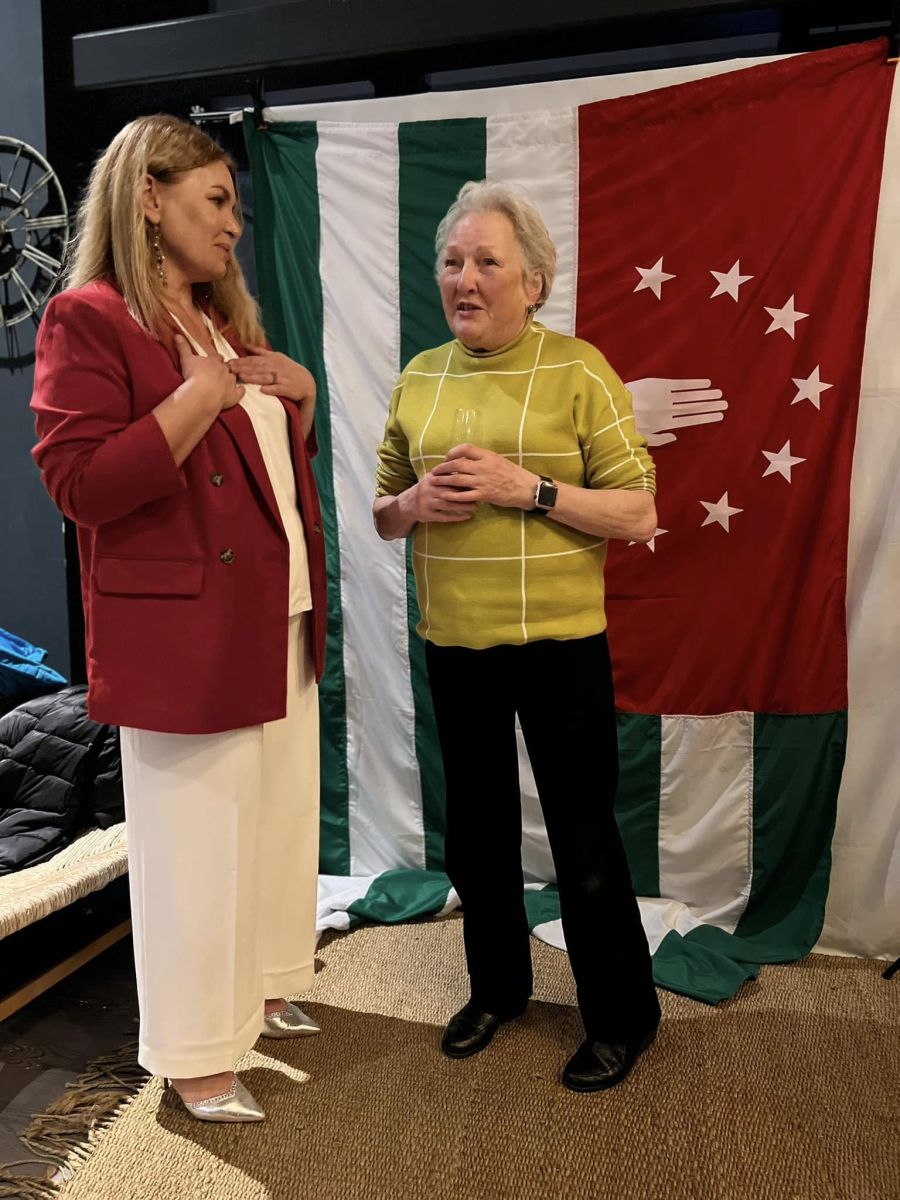
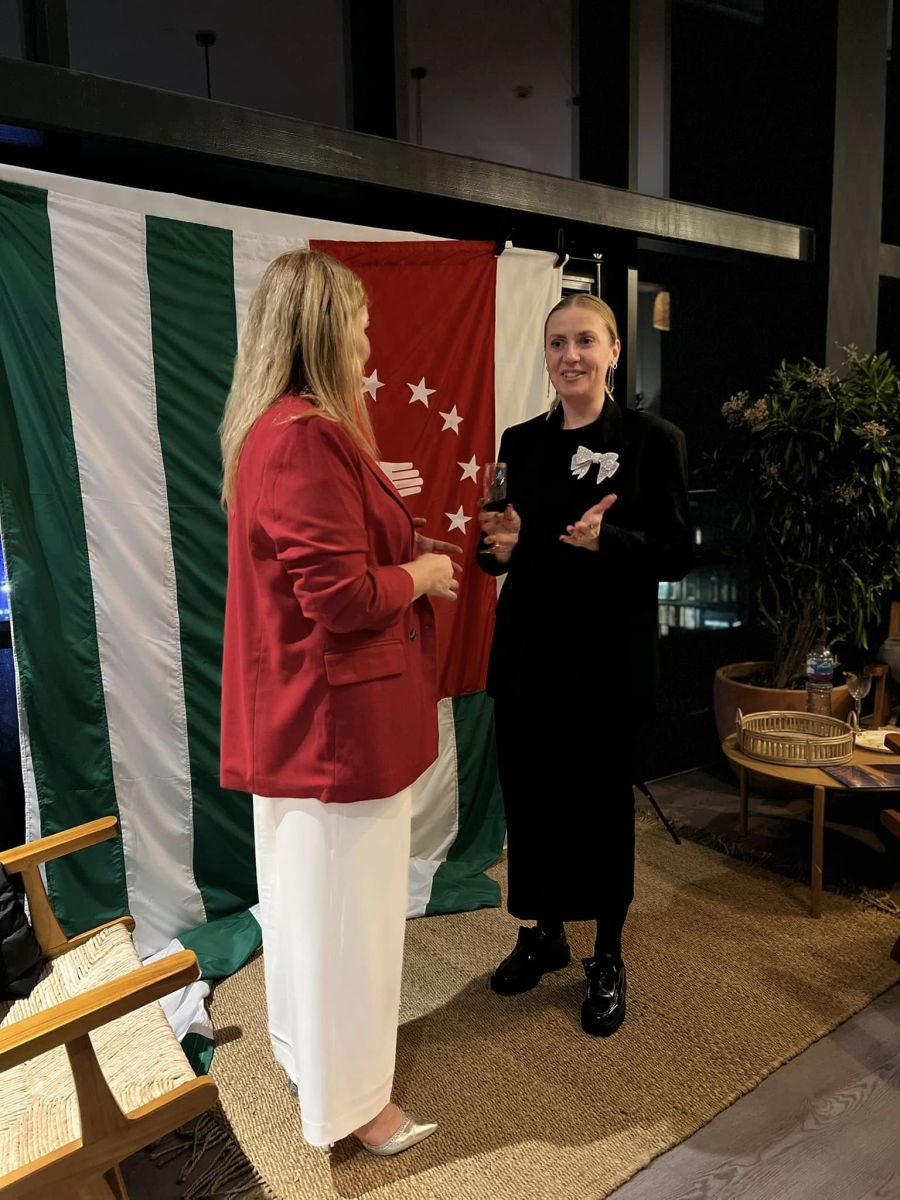
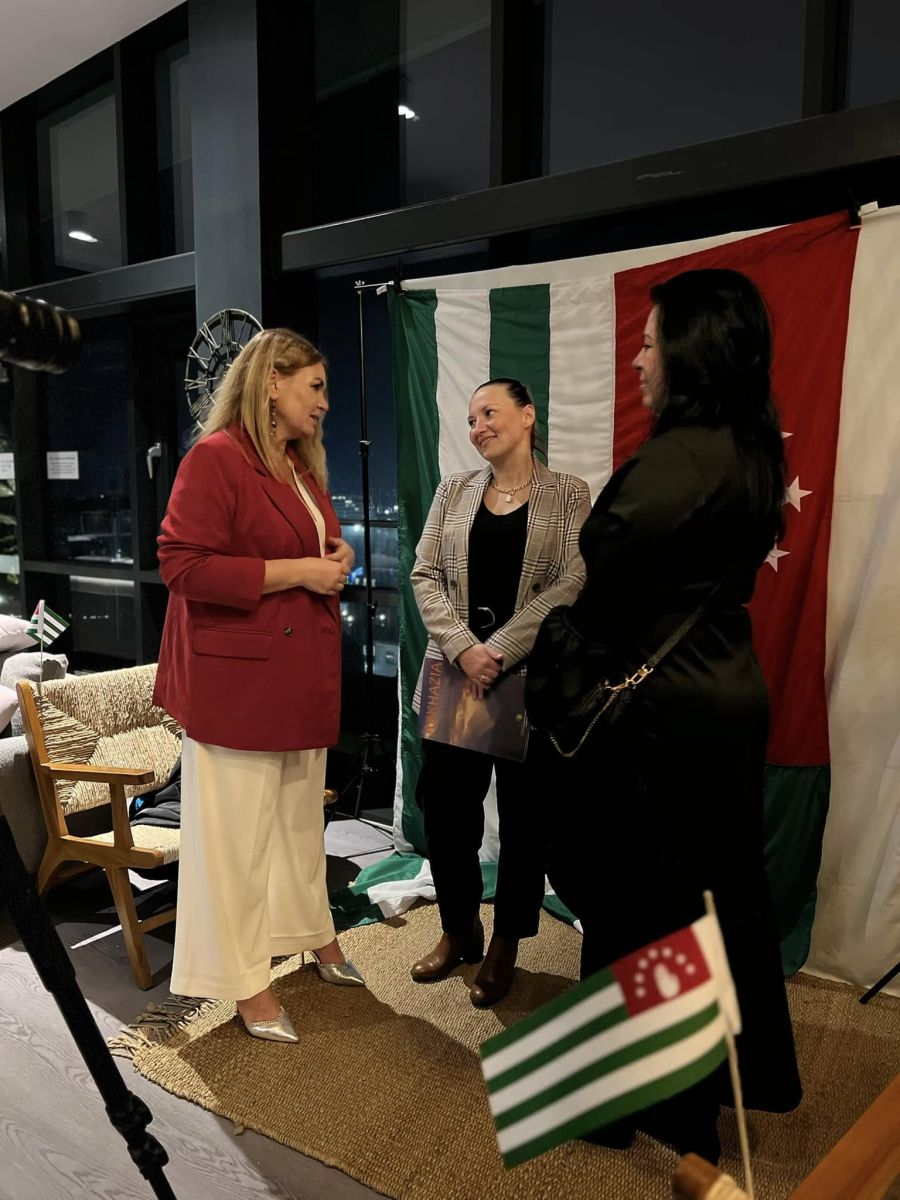
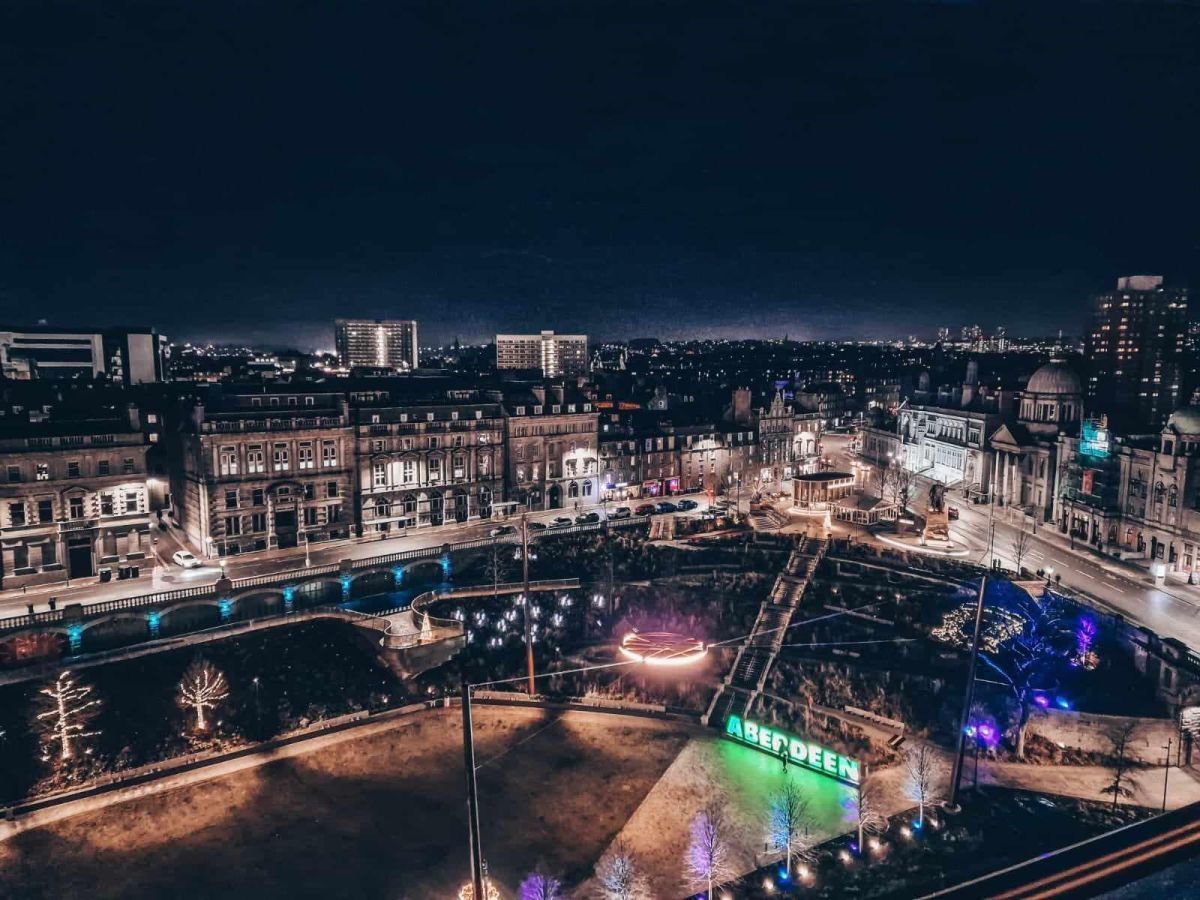
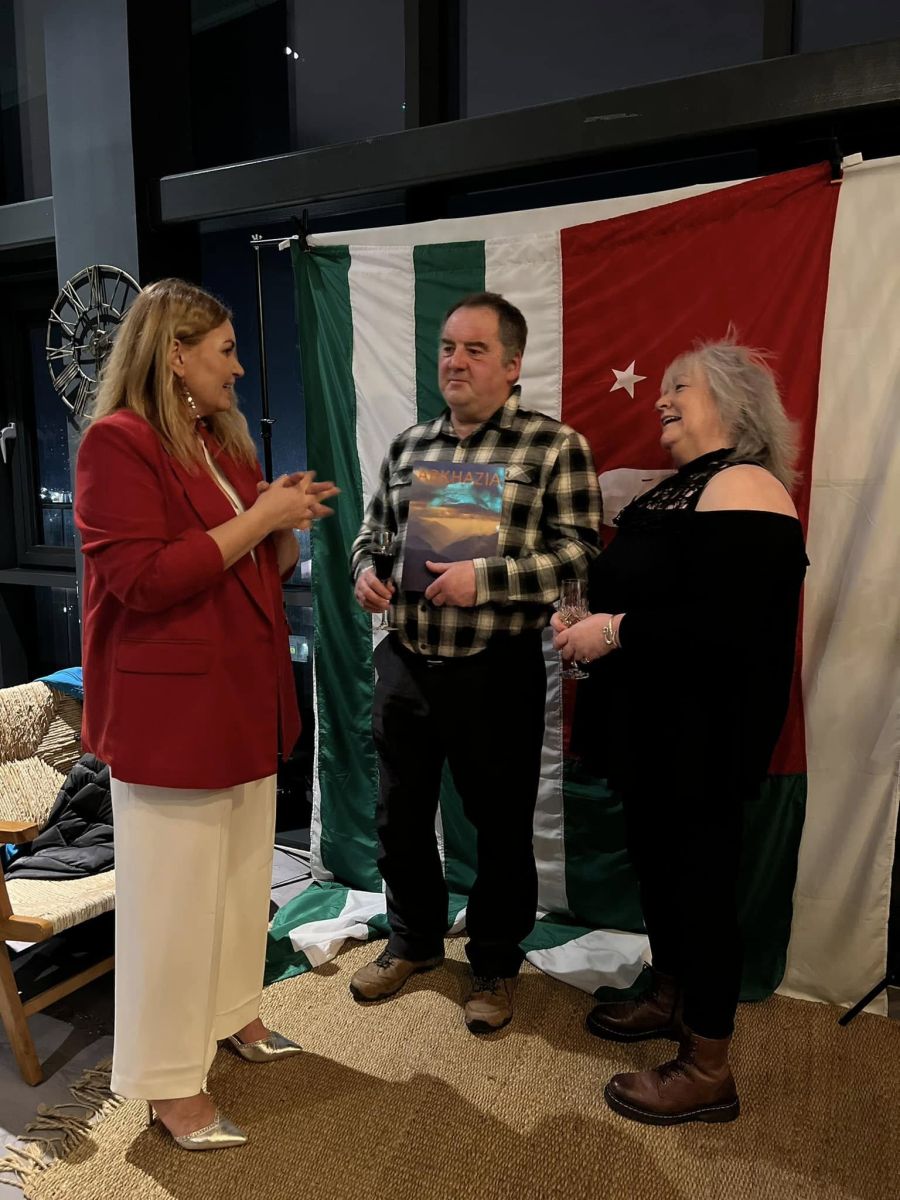
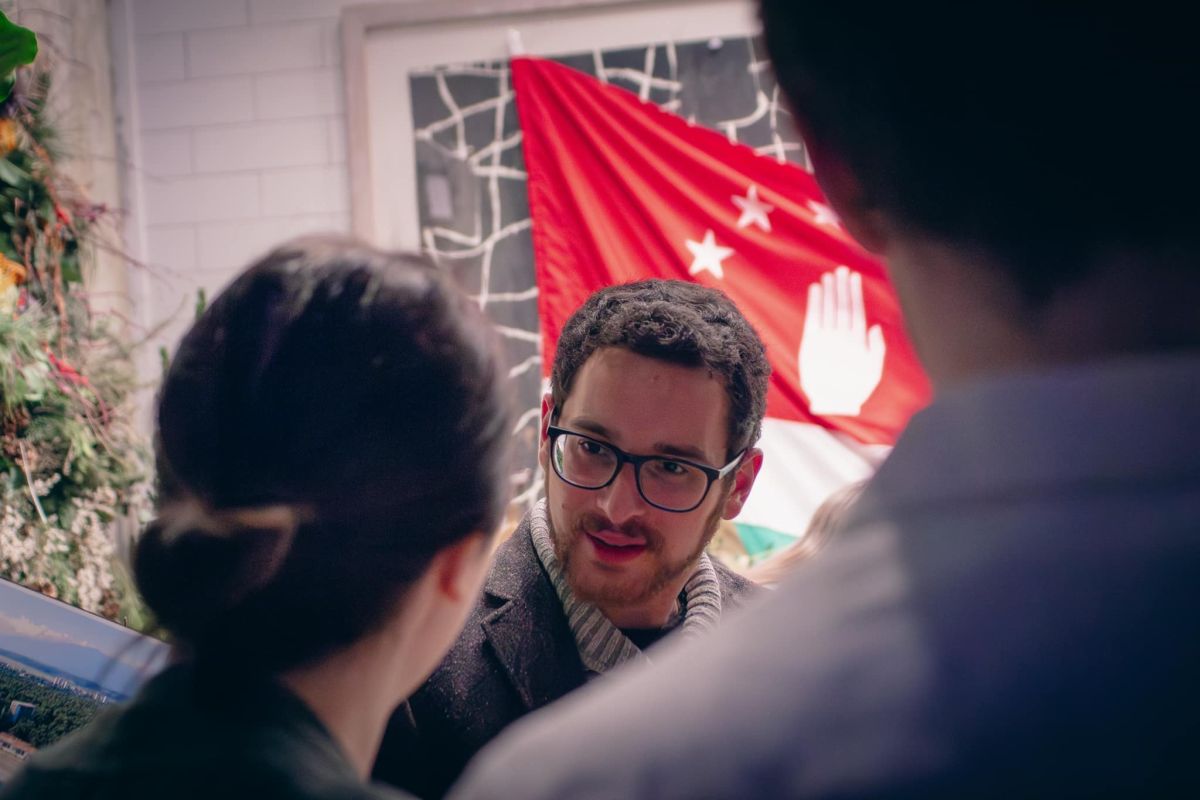
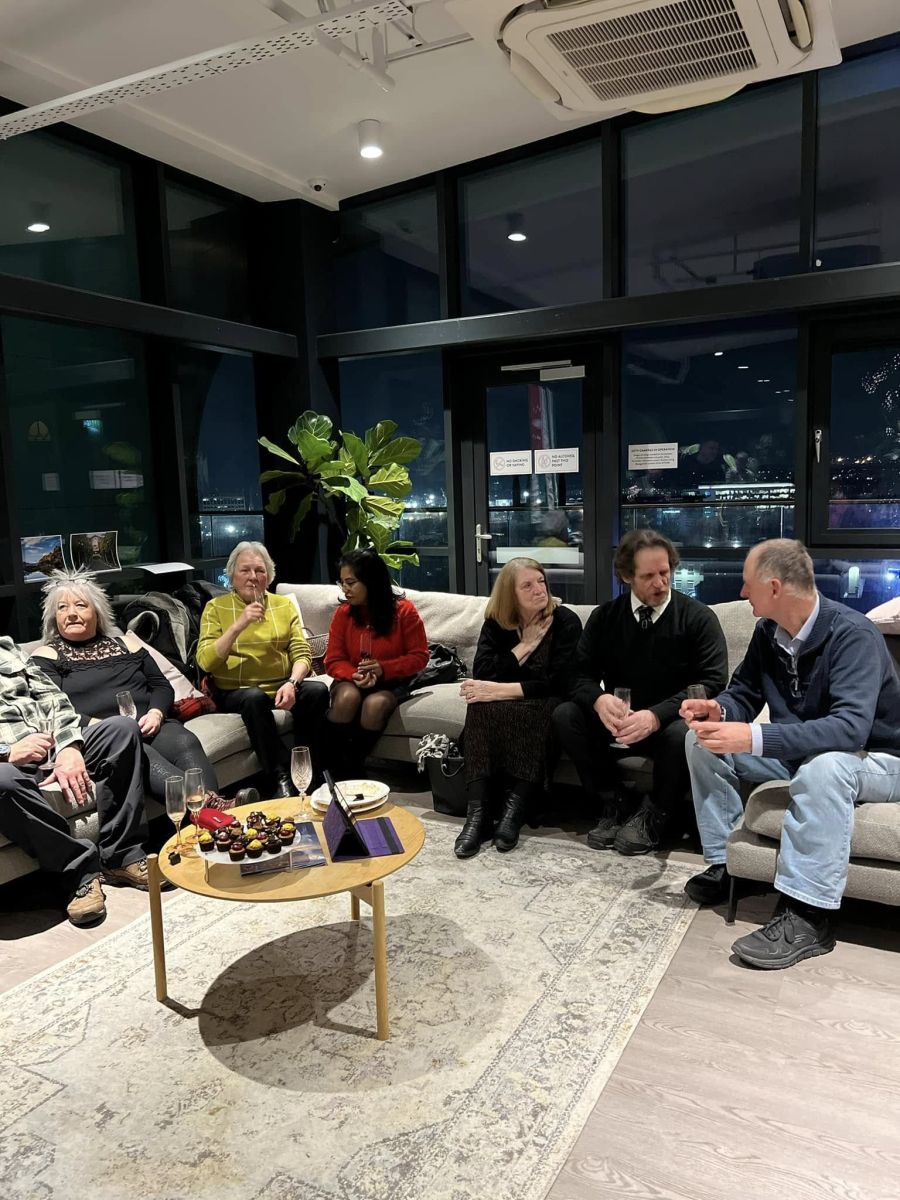
In the capital of Scotland, Edinburgh and in the British oil center Abertina were held "Abkhazian cultural evenings" dedicated to the Abkhazian culture, history and traditions . The events were led by Ritsa Ankvab the official representative of the Chamber of Commerce and Industry of the Republic of Abkhazia in Scotland, concurrently the head of the British company Asteria, the creator of the new Abkhaz project "A-Vacation", PhD in Social Sciences.
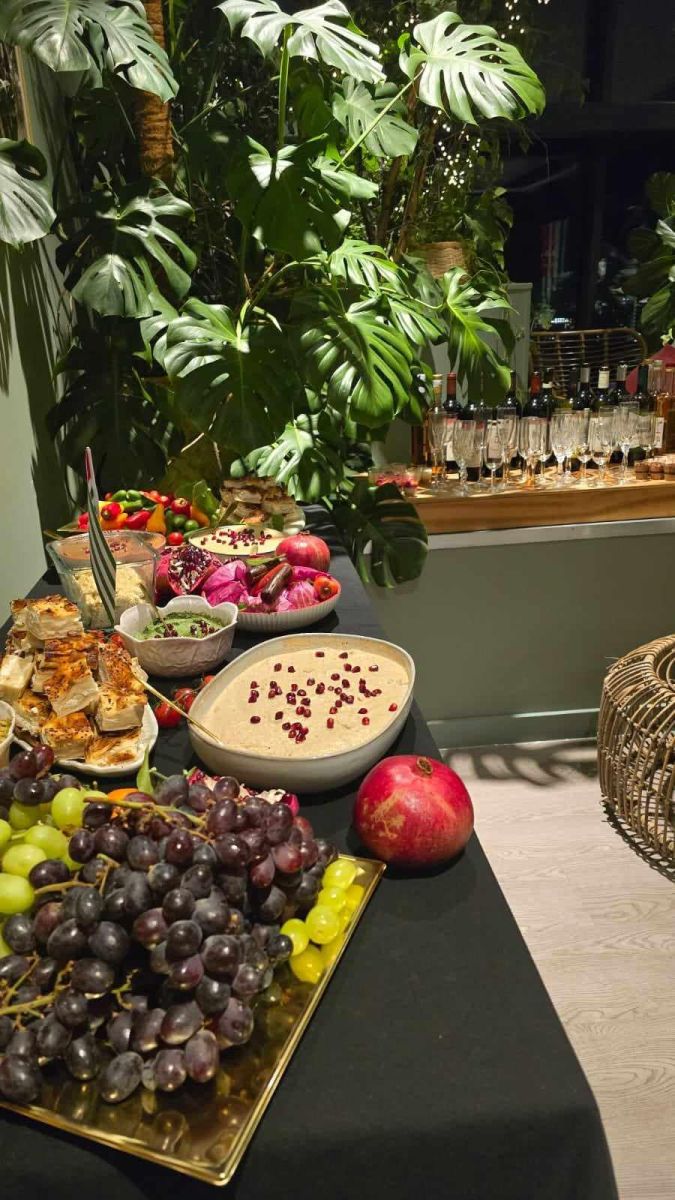
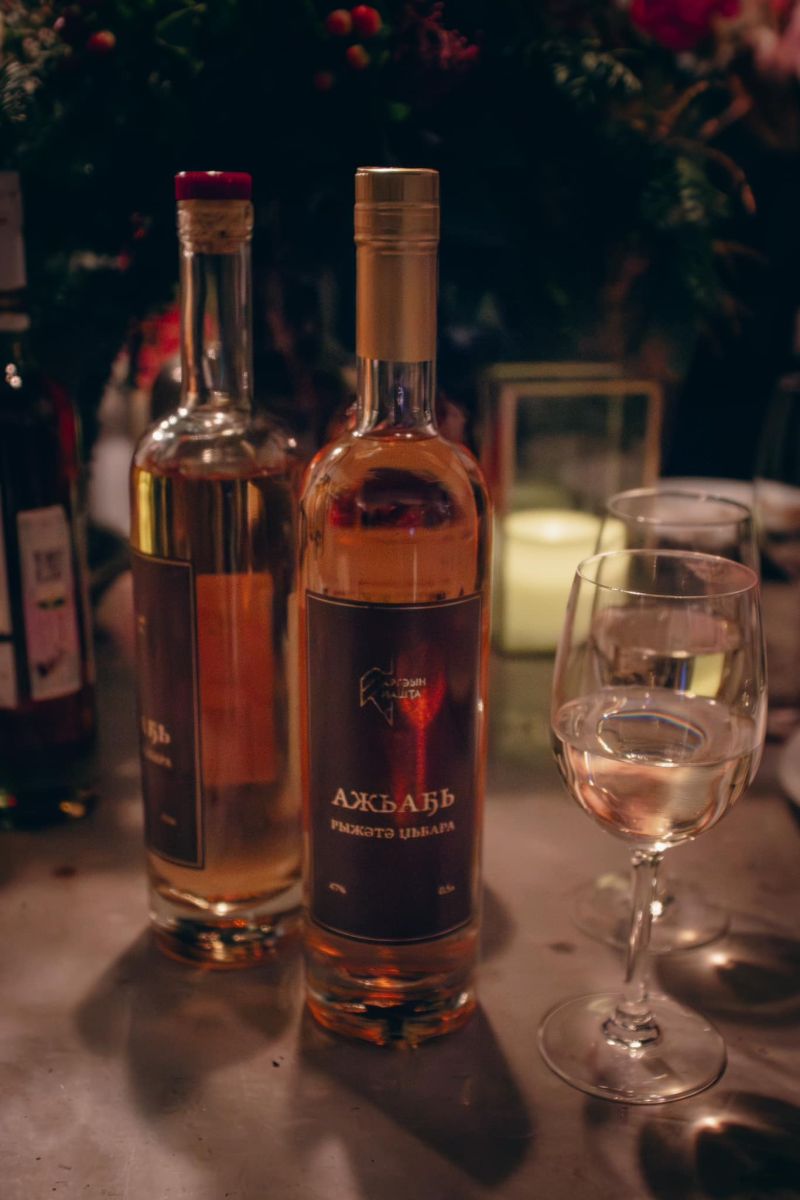
Within the framework of the events, presentations of a film about Abkhazia in English provided by the ССI of RA and the project of the chamber "Gastronomic Abkhazia" with tasting of wine and spirits of Abkhazian producers, agricultural products and dishes of Abkhazian cuisine were held.
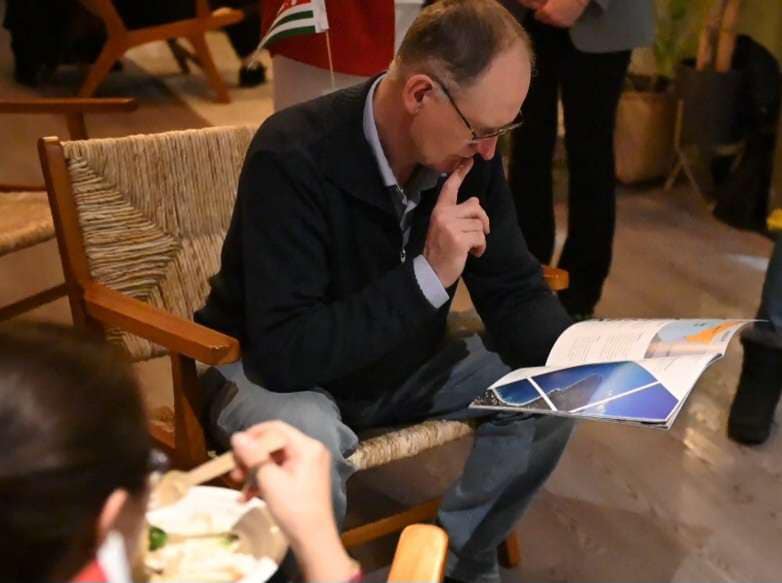
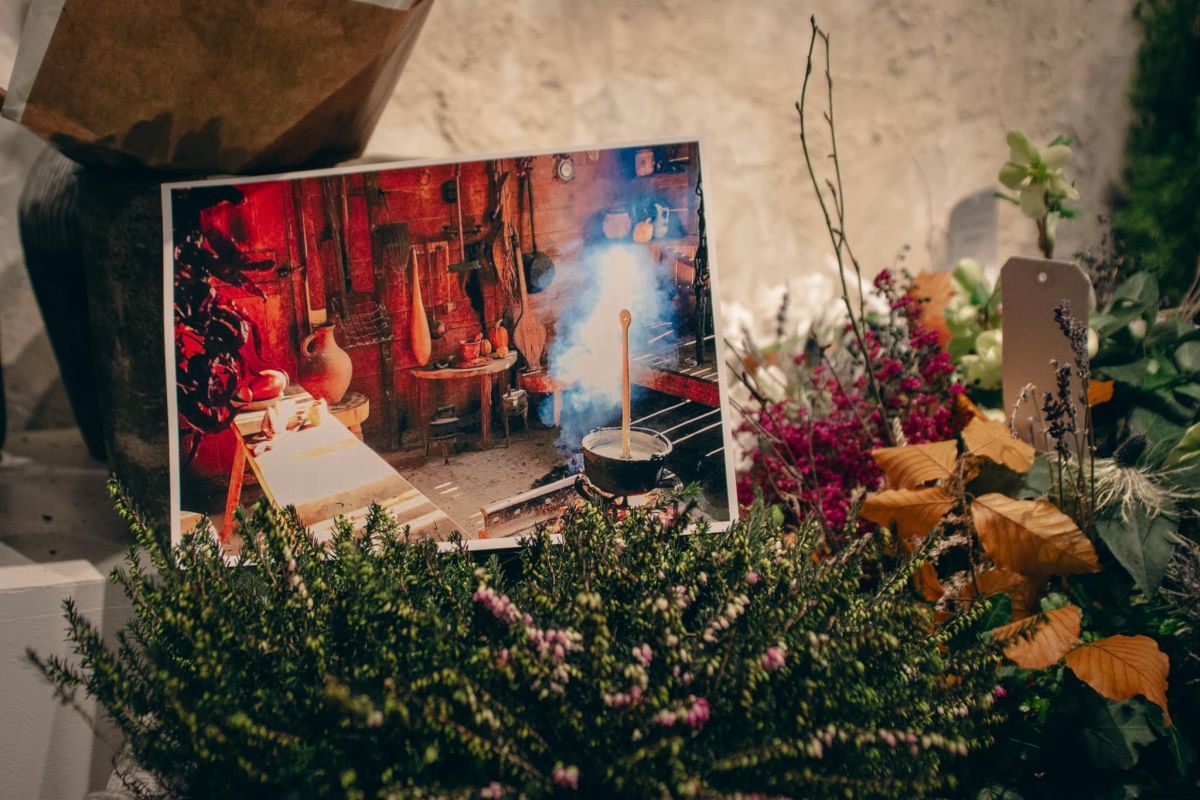
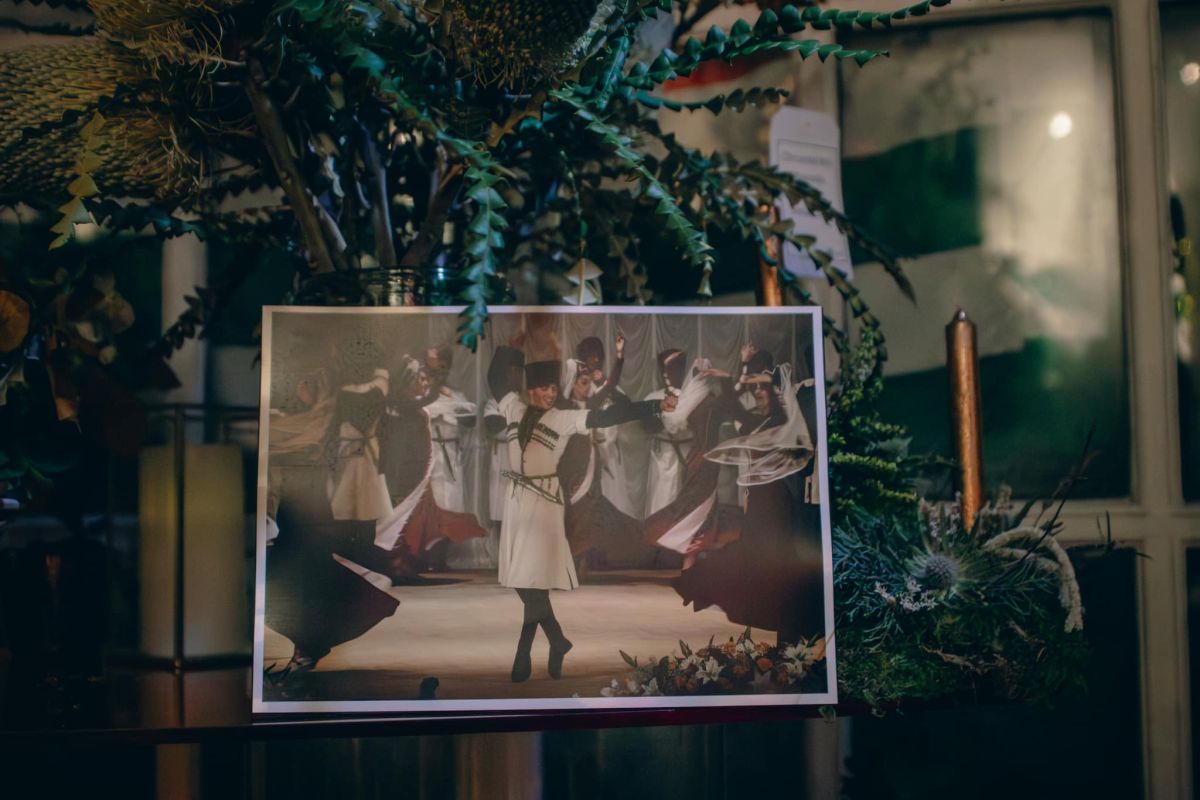
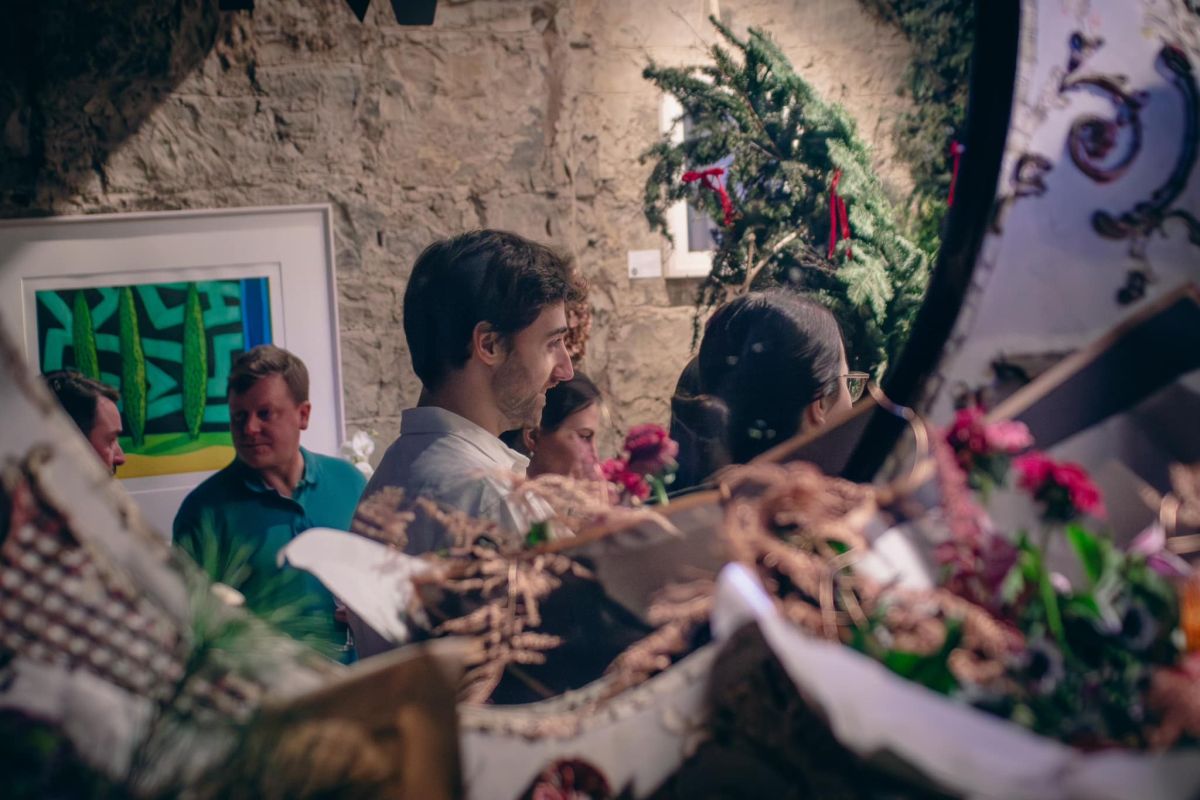
A photo exhibition was also organized about the sights, significant places, details of everyday life and traditions of Abkhazia.
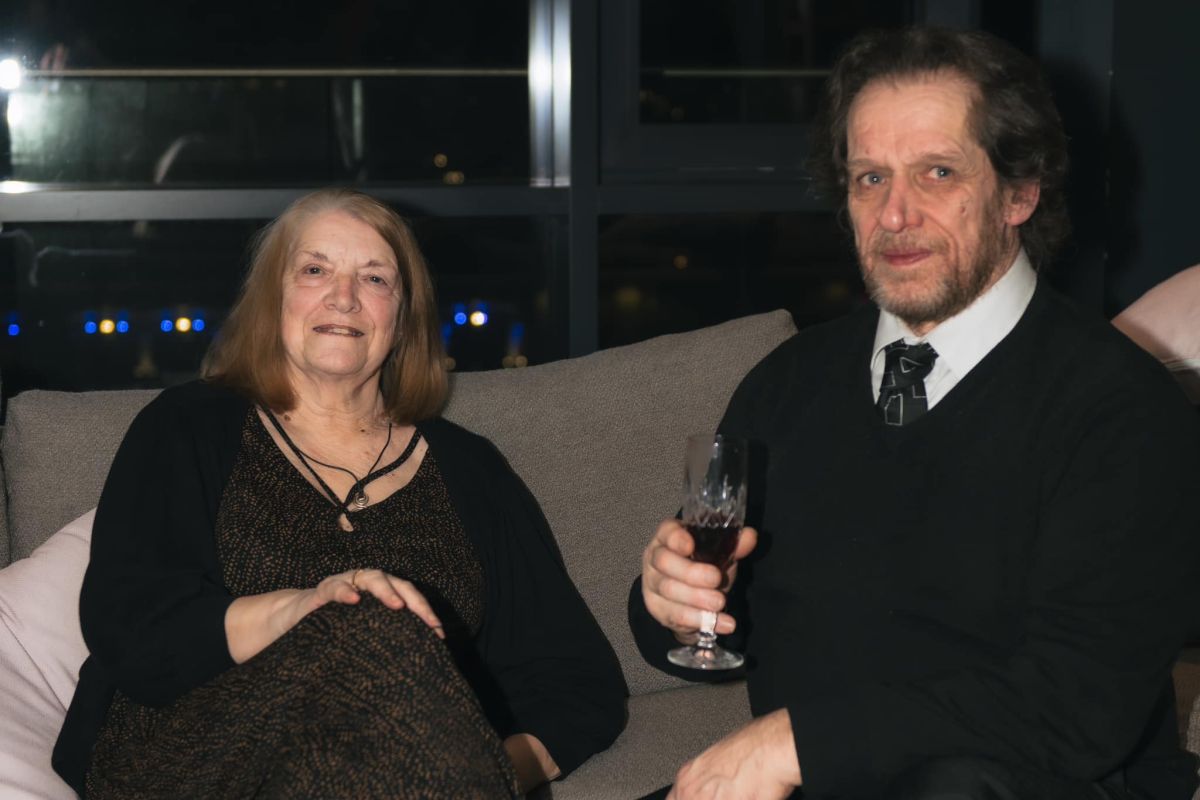
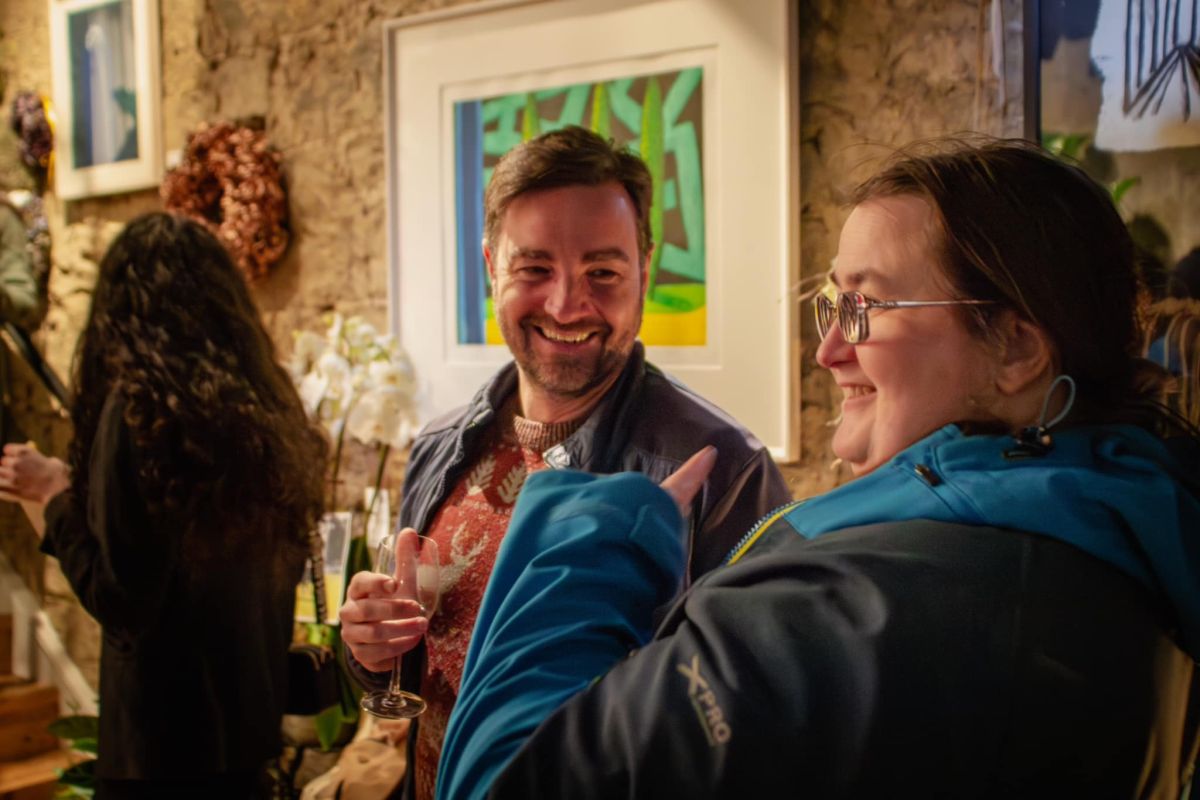
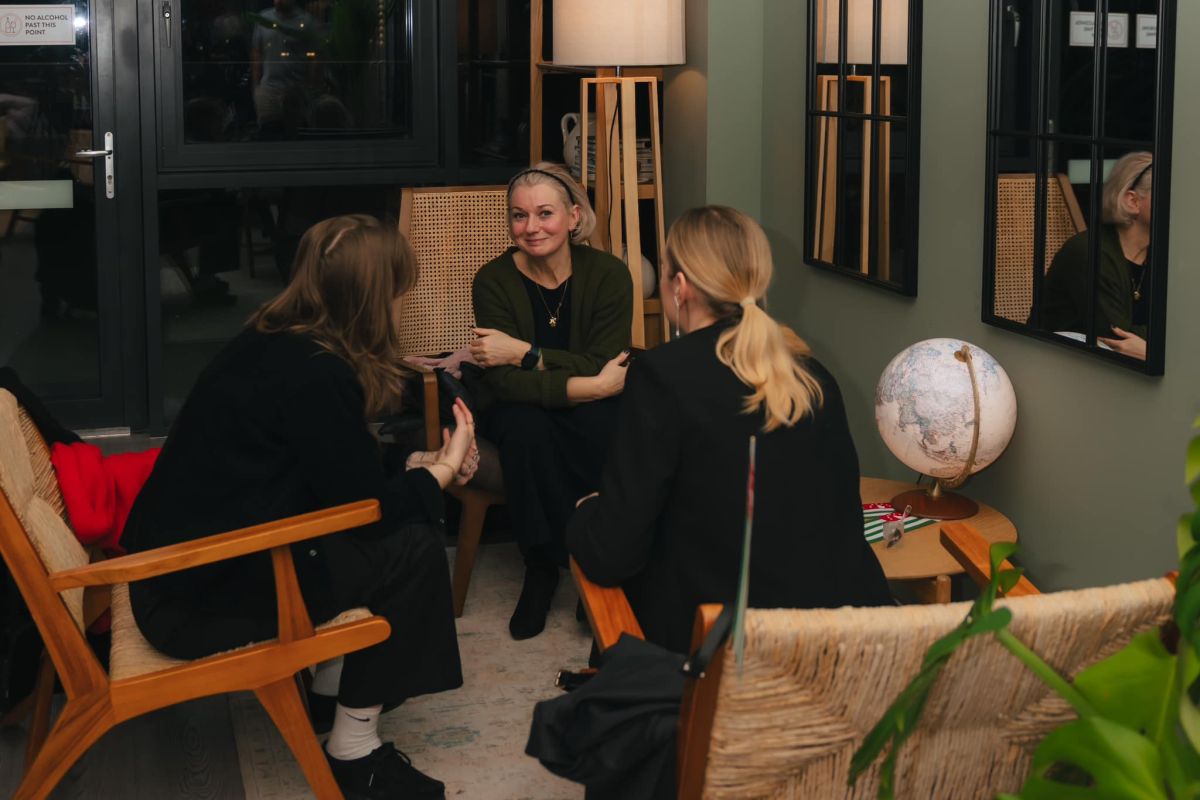
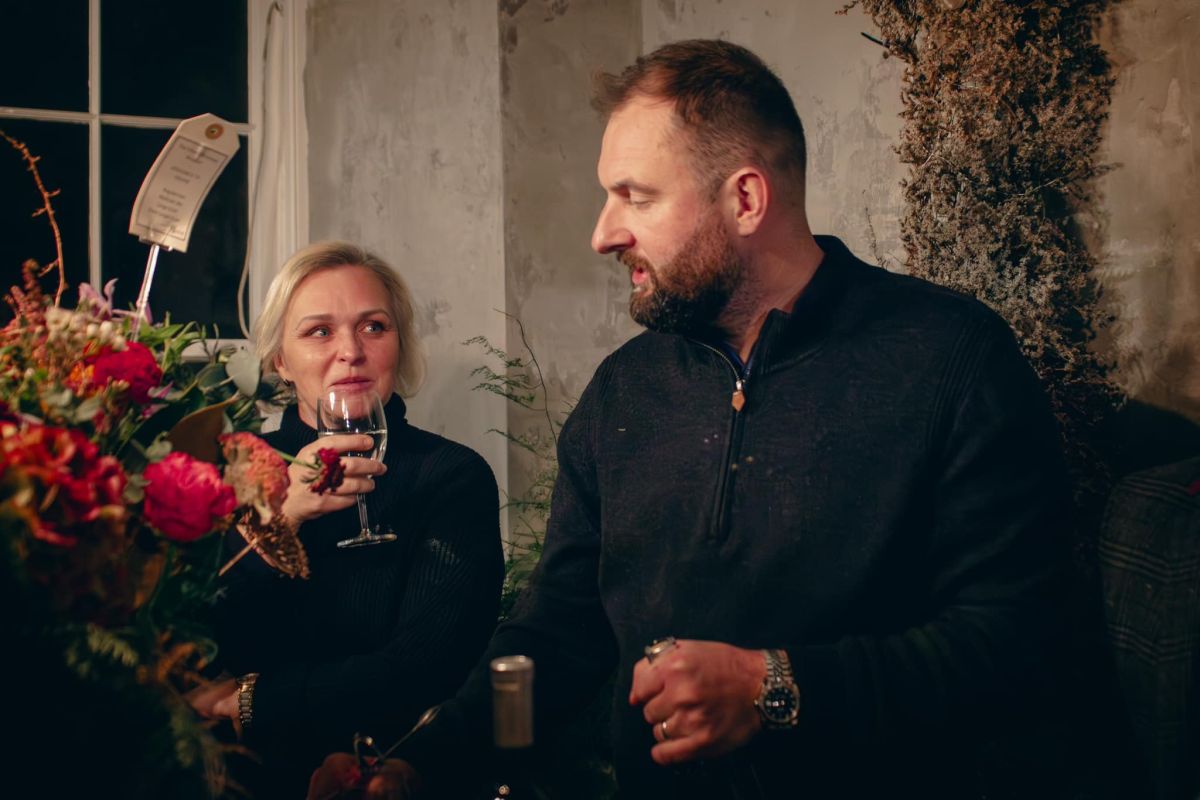
Both evenings were attended by members of city mayorships, university professors, representatives of international communities, entrepreneurs and businessmen, as well as representatives of the local bohemian community – writers, artists, artists.
The guests noted the colorfulness and authenticity of the Abkhazian national cuisine and the high quality of Abkhazian wine.
The visitors talked about the uniqueness of the Abkhaz approach to cooking national dishes, admired their taste qualities.
There have been many proposals for the disclosure of this topic to the wider public and the development of cooperation.
The theme of Abkhazian culture and heritage history was warmly received in every city. During the events, issues of Abkhazia's status and identity, language, culture, differences and similarities with nearby ethnic groups were raised.
There were many wishes for cooperation and the need to disclose the Abkhaz culture and identity to the wider public in Scotland.
Negotiations and discussions were held with members of the local government, representatives of more than 50 companies, communities, local food enterprises, Chambers of Commerce, companies distributing wine and spirits products, etc.
Several companies were interested in getting a more detailed description of the wine production that was presented to them.
"The result of the events exceeded all our expectations and caused a high response in both cities," the Chamber of Commerce and Industry of Abkhazia believed.
In the capital of Scotland, Edinburgh and in the British oil center Abertina were held "Abkhazian cultural evenings" dedicated to the Abkhazian culture, history and traditions . The events were led by Ritsa Ankvab the official representative of the Chamber of Commerce and Industry of the Republic of Abkhazia in Scotland, concurrently the head of the British company Asteria, the creator of the new Abkhaz project "A-Vacation", PhD in Social Sciences.
Within the framework of the events, presentations of a film about Abkhazia in English provided by the ССI of RA and the project of the chamber "Gastronomic Abkhazia" with tasting of wine and spirits of Abkhazian producers, agricultural products and dishes of Abkhazian cuisine were held.
A photo exhibition was also organized about the sights, significant places, details of everyday life and traditions of Abkhazia.
Both evenings were attended by members of city mayorships, university professors, representatives of international communities, entrepreneurs and businessmen, as well as representatives of the local bohemian community – writers, artists, artists.
The guests noted the colorfulness and authenticity of the Abkhazian national cuisine and the high quality of Abkhazian wine.
The visitors talked about the uniqueness of the Abkhaz approach to cooking national dishes, admired their taste qualities.
There have been many proposals for the disclosure of this topic to the wider public and the development of cooperation.
The theme of Abkhazian culture and heritage history was warmly received in every city. During the events, issues of Abkhazia's status and identity, language, culture, differences and similarities with nearby ethnic groups were raised.
There were many wishes for cooperation and the need to disclose the Abkhaz culture and identity to the wider public in Scotland.
Negotiations and discussions were held with members of the local government, representatives of more than 50 companies, communities, local food enterprises, Chambers of Commerce, companies distributing wine and spirits products, etc.
Several companies were interested in getting a more detailed description of the wine production that was presented to them.
"The result of the events exceeded all our expectations and caused a high response in both cities," the Chamber of Commerce and Industry of Abkhazia believed.
